
FDA’s PCAC Votes in Favor of Six Peptides for Potential Inclusion on the 503A Bulks List: What Compounders Need to Know
On July 23-24, 2026, the U.S. Food and Drug Administration’s (FDA’s) Pharmacy Compounding Advisory Committee (PCAC) met to consider seven peptide-related bulk drug substances for potential inclusion on the 503A Bulks List.
PCAC voted in favor of including the free-base and acetate forms of BPC-157, KPV, TB-500, MOTS-c, Epitalon, and Semax, while voting against inclusion of Emideltide (DSIP). Vote outcomes were the same for the free-base and acetate forms of each substance.
For each of the six peptides receiving favorable votes, PCAC’s recommendation differed from FDA’s position presented in the briefing materials. FDA had proposed that none of the fourteen peptide forms under consideration be included on the 503A Bulks List.
The votes generated significant attention across the compounding and broader peptide sectors. But regardless of one’s view of the outcome, the regulatory status of these substances did not change as a result of the advisory votes.
If ultimately reflected in FDA rulemaking, the committee’s recommendations could have significant implications for compounders, telehealth companies, prescribers, and patients.
During the meeting, several speakers and committee members raised concerns about patients obtaining peptides through online channels outside the traditional prescription drug supply chain. Some participants argued that establishing a lawful prescription pathway could shift some of that demand toward licensed providers and pharmacies while introducing additional safeguards around sourcing, quality, prescribing practices, and oversight.
Yet it is equally important not to jump ahead.
PCAC’s votes did not change the current regulatory status of these substances and do not authorize pharmacies to begin compounding them. PCAC’s recommendations are advisory and nonbinding.
Under FDA’s stated process, inclusion on the 503A Bulks List requires notice-and-comment rulemaking. FDA may propose substances for inclusion, receive and consider public comments, and ultimately issue a final rule. If FDA adds any of these substances to the 503A Bulks List, 21 CFR § 216.23 would be amended accordingly.
Until then, pharmacies should continue operating under the existing regulatory framework.
Importantly, even if all six peptides are ultimately added to the 503A Bulks List, that would not make them FDA-approved or FDA-endorsed. Nor would placement on the Bulks List, by itself, authorize every compounding or prescribing practice involving the substance. Other applicable requirements of section 503A, as well as applicable state law, would continue to apply.
We highlighted the steps that follow the PCAC meeting in this article, along with a regulatory timeline.
With peptide compounding at an important regulatory crossroads, it is worth unpacking what occurred during the July 2026 meeting, what the committee’s votes mean today, and what questions remain as FDA considers the next steps in the regulatory process.
FDA PCAC Peptide Votes Summary
The committee reviewed seven peptide-related bulk drug substances over two sessions, voting separately on the free-base and acetate forms of each. Vote outcomes were identical across both forms for each substance.
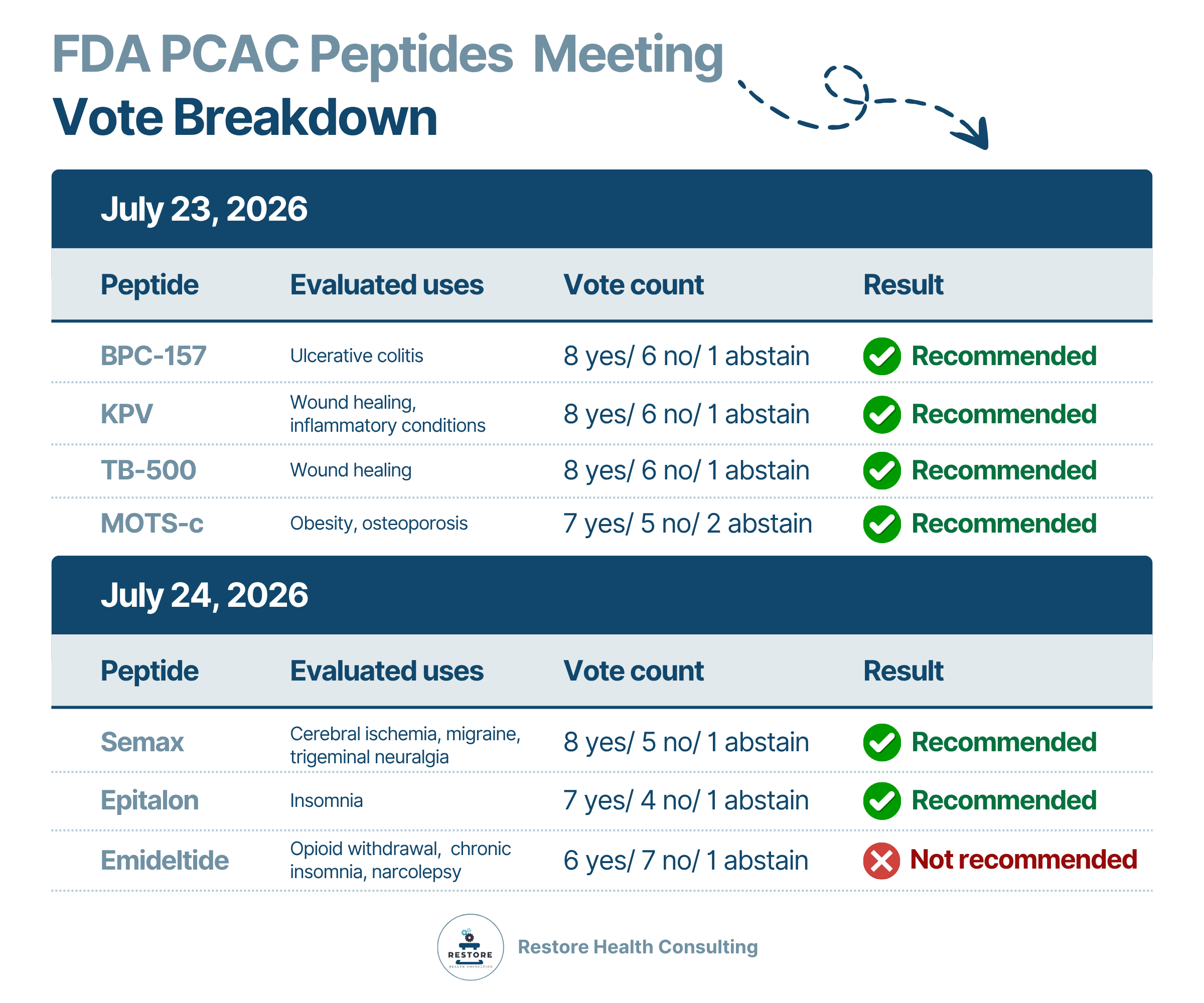
*All vote tallies were directly verified against FDA’s archived livestream from the first and second days of the meeting. The named vote breakdown is presented under each peptide in the detailed discussion below and was taken from the official archived livestream.
FDA Staff Position vs. Panel Outcome
An eight-member group consisting of Asare Christian, David Pope, Gabriel Alizaidy, Haleem Mohammed, Joshua Starbuck, Kris Wusterhausen, Melissa Loseke, and Sen. Bobby Harshbarger voted yes on nearly every substance, with two exceptions across the meeting: Asare Christian abstained on MOTS-c, and David Pope voted no on Emideltide. Timothy Fensky abstained on all seven substances.
FDA’s briefing materials proposed against inclusion of all seven substances under consideration. Because FDA evaluated the free-base and acetate forms separately, its materials presented fourteen individual proposals, each recommending that the applicable form not be included on the 503A Bulks List.
The committee’s recommendations therefore differed from FDA’s proposed position for six of the seven substances and aligned with FDA’s position on Emideltide.
FDA staff also identified unresolved scientific and regulatory considerations in its briefing materials, including questions related to chemical identity and characterization.
The Grey Market as a Recurring Theme
Of the issues discussed during the meeting, the peptide grey market generated substantial discussion and concern.
For purposes of this discussion, “grey market” refers generally to products obtained outside conventional licensed prescription drug channels, including products sold directly to consumers under “research use only” labeling.
Healthcare professionals, researchers, manufacturers, patient advocates, and committee members repeatedly discussed patient demand and the availability of peptide products through online vendors, including products marketed as “research use only.”
This is a topic we recently discussed on the Compounding Interest: The Business of Personalized Medicine Podcast, where we anticipated that questions surrounding patient demand and nontraditional sources of peptide products would feature prominently in the PCAC discussion.
A recurring concern raised during the meeting was that some patients may seek these products regardless of whether they are available through licensed pharmacies. Products obtained outside conventional prescription drug channels may present questions regarding identity, purity, potency, sterility, sourcing, and other quality attributes.
Available market data provide some indication of the scale of peptide demand, although they should not be interpreted as direct measures of the grey market. U.S. customs data reportedly show imports of hormone and peptide compounds from China increasing from approximately $164 million during the first three quarters of 2024 to $328 million during the same period in 2025.
Separately, analyses of cryptocurrency transactions have identified substantial and increasing payments to vendors characterized as operating in the grey-market peptide sector.
The risks associated with these channels extend beyond regulatory uncertainty. Consumers obtaining products outside the traditional prescription drug supply chain may not fully understand the differences in regulatory oversight, sourcing, testing, and quality controls applicable to those products.
A recent federal criminal case illustrates some of these concerns. In July 2026, the owner of Paradigm Peptides was sentenced to 70 months in prison after pleading guilty to introducing unapproved new drugs into interstate commerce with the intent to defraud and mislead and to illegally importing merchandise. According to the U.S. Department of Justice, the business sold products to more than 54,000 customers, imported products from China and India, and made false representations concerning its FDA status, manufacturing, testing, and product quality.
One recurring argument raised during the PCAC meeting was that a regulated prescription pathway could provide an alternative to non-pharmacy sources while introducing safeguards related to sourcing, product quality, prescribing practices, patient-provider relationships, and regulatory oversight.
FDA PCAC Votes: Detailed Breakdown Peptide by Peptide
BPC-157
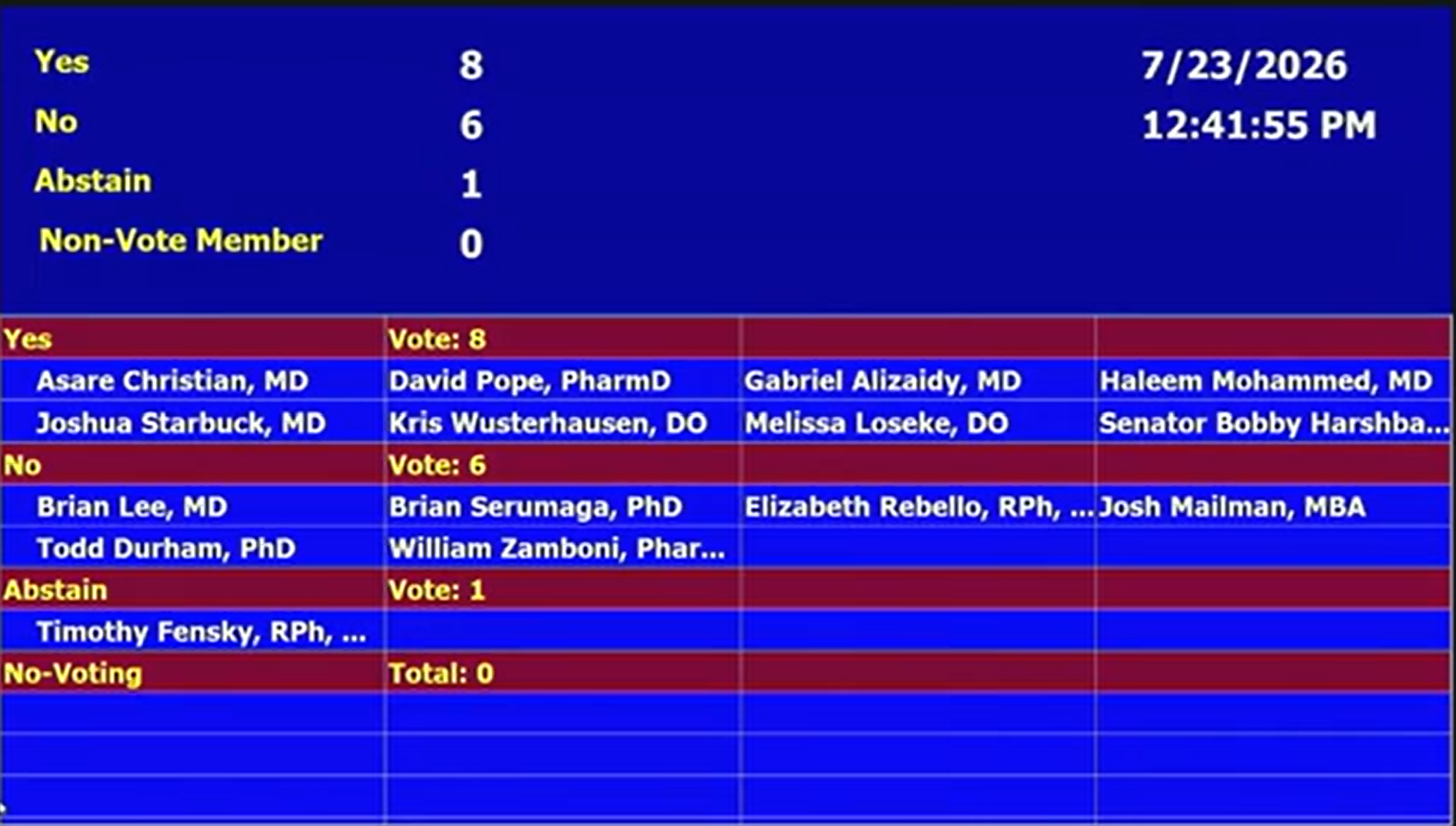
Evaluated use: Ulcerative colitis
PCAC recommendation: Recommended
Vote: 8 yes / 6 no / 1 abstain
BPC-157 was one of the most closely watched peptides reviewed during the meeting due to its widespread presence in the gray market, ongoing questions around available human evidence, and growing interest among patients and providers. The committee evaluated BPC-157 for the nominated use of ulcerative colitis and recommended adding the peptide to the 503A Bulks List.
KPV
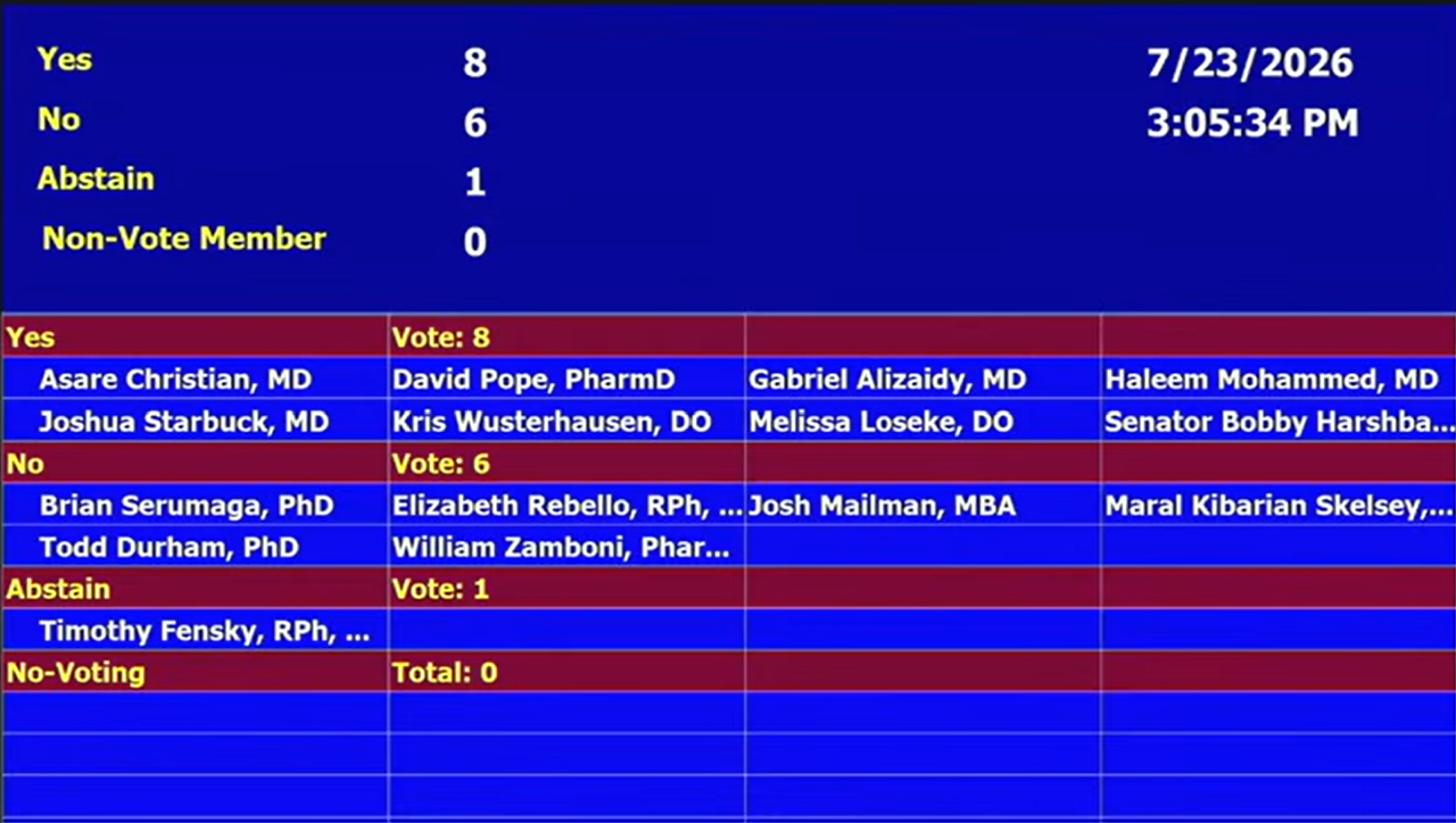
Evaluated use: Wound healing; inflammatory conditions
PCAC recommendation: Recommended
Vote: 8 yes / 6 no / 1 abstain
KPV was evaluated for the nominated uses of wound healing and inflammatory conditions. During discussion, committee members considered the available information related to the peptide, including questions surrounding safety, available evidence, and characterization. The committee ultimately voted in favor of recommending its inclusion on the 503A Bulks List.
TB-500
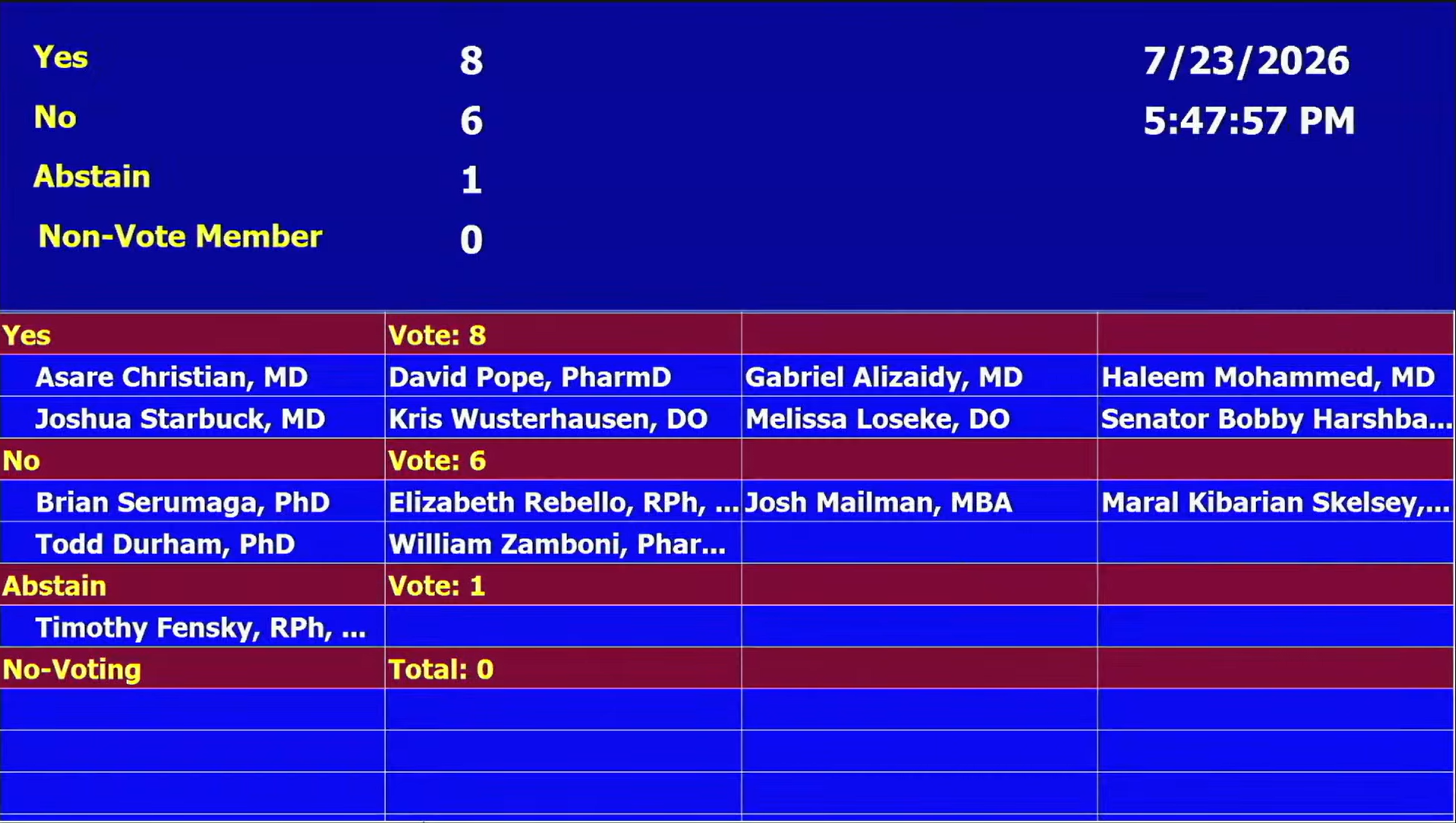
Evaluated use: Wound healing
PCAC recommendation: Recommended
Vote: 8 yes / 6 no / 1 abstain
TB-500 was evaluated for wound healing. Following discussion, the panel recommended its inclusion on the 503A Bulks List.
MOTS-c
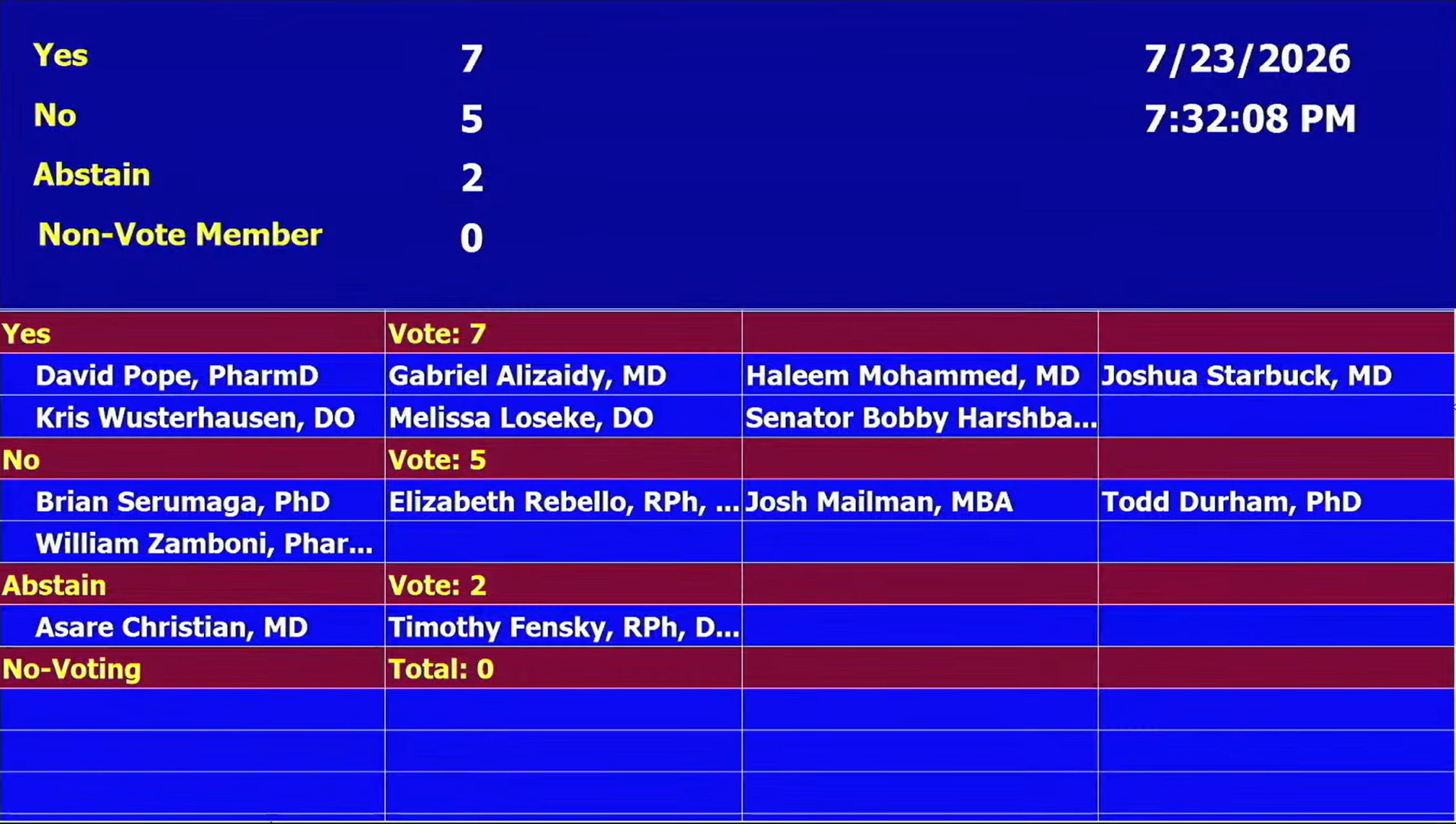
Evaluated use: Obesity; osteoporosis
PCAC recommendation: Recommended
Vote: 7 yes / 5 no / 2 abstain
MOTS-c was evaluated for obesity and osteoporosis. Despite ongoing discussion around available evidence and standardization issues, the panel’s recommendation marked another favorable outcome for this peptide, though with the tightest margin out of all peptides recommended.
Epitalon
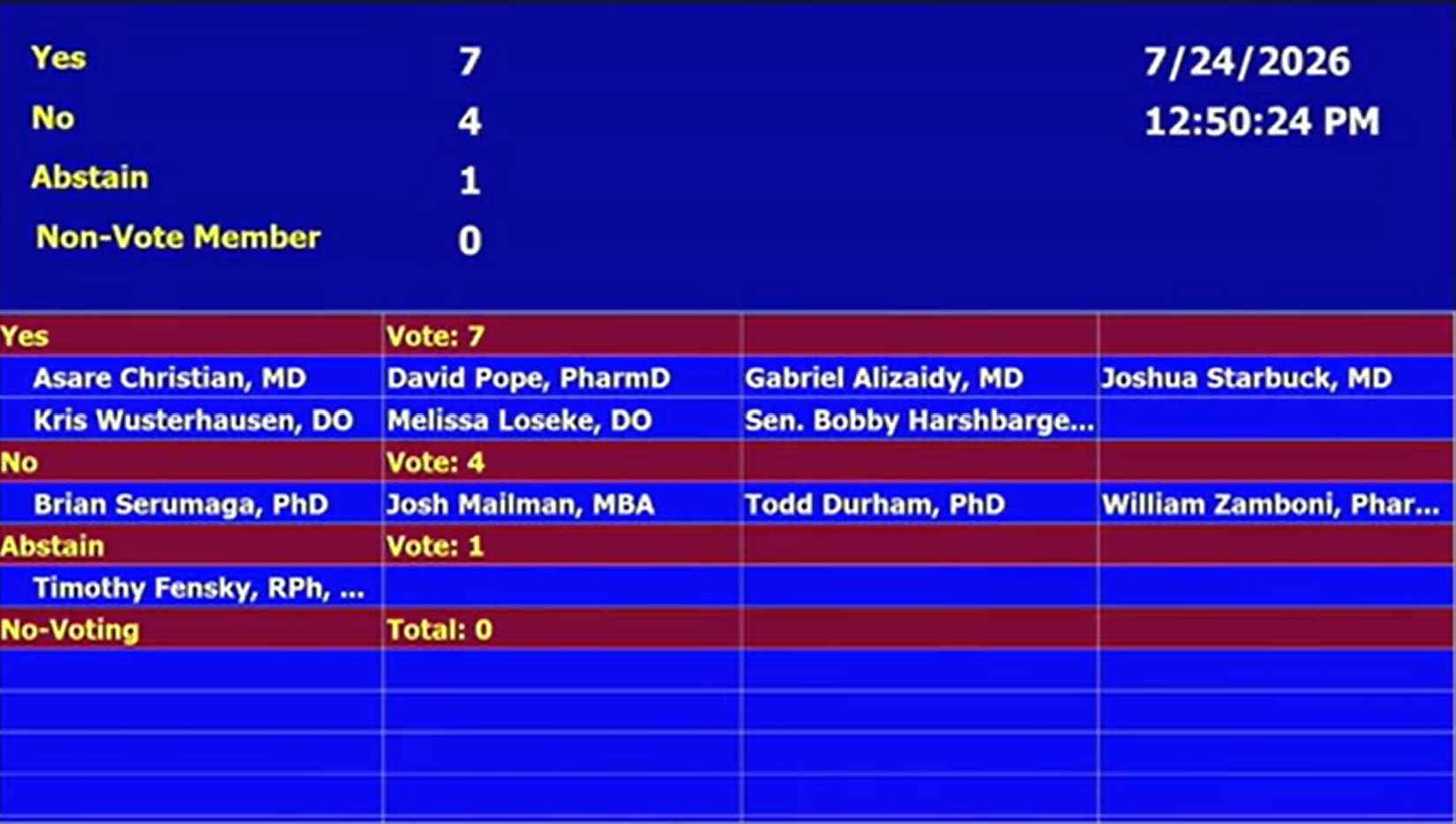
Evaluated use: Insomnia
PCAC recommendation: Recommended
Vote: 7 yes / 4 no / 1 abstain
Epitalon was evaluated for insomnia. The committee reviewed the available information related to the peptide and voted favorably, making it the fifth peptide reviewed during the meeting to receive a recommendation for inclusion.
Semax
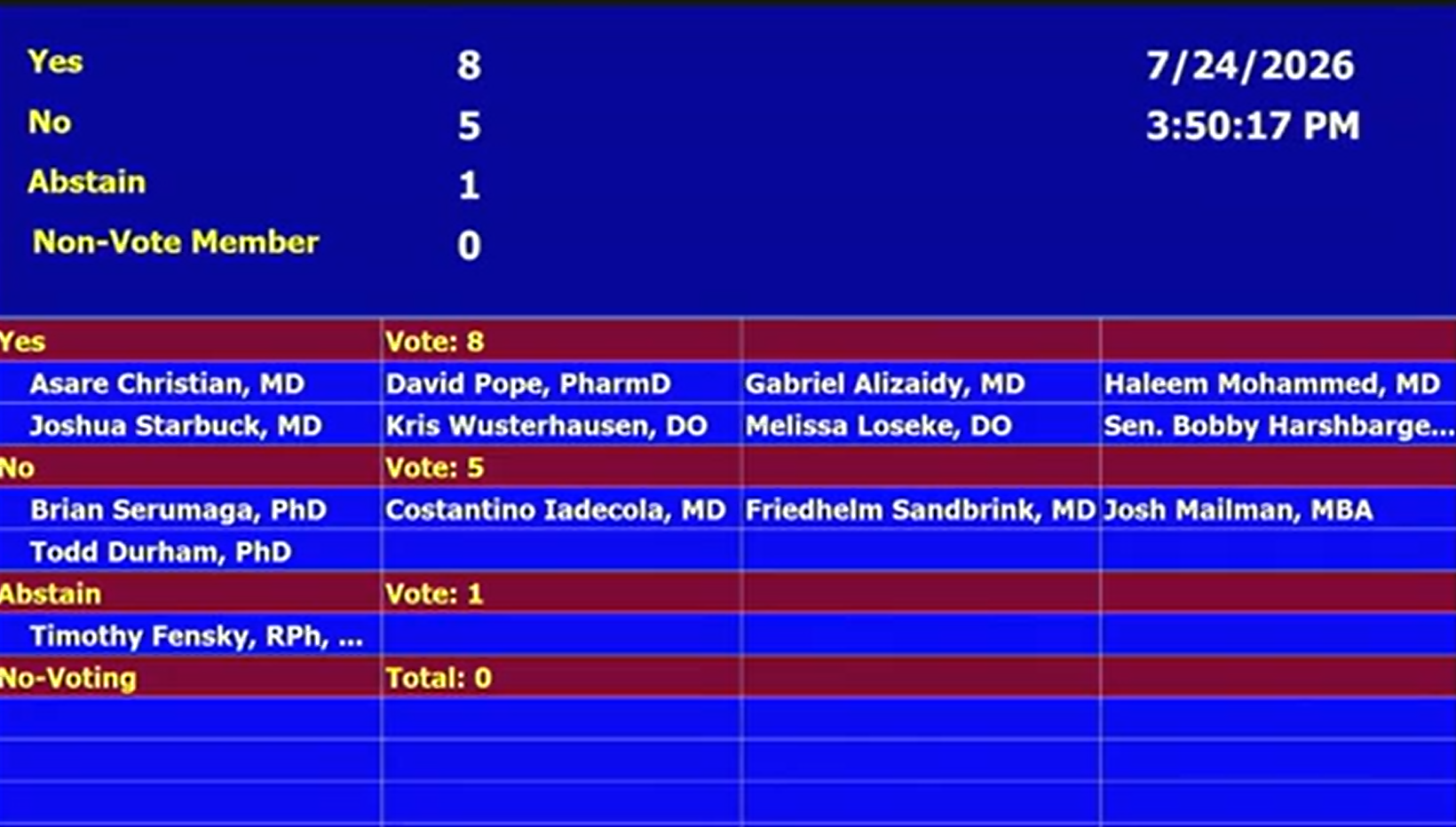
Evaluated use: Cerebral ischemia; migraine; trigeminal neuralgia
PCAC recommendation: Recommended
Vote: 8 yes / 5 no / 1 abstain
Semax was evaluated for the nominated uses of cerebral ischemia, migraine, and trigeminal neuralgia. Following discussion of the peptide’s available information and regulatory considerations, Semax also received a favorable vote.
Emideltide (DSIP)
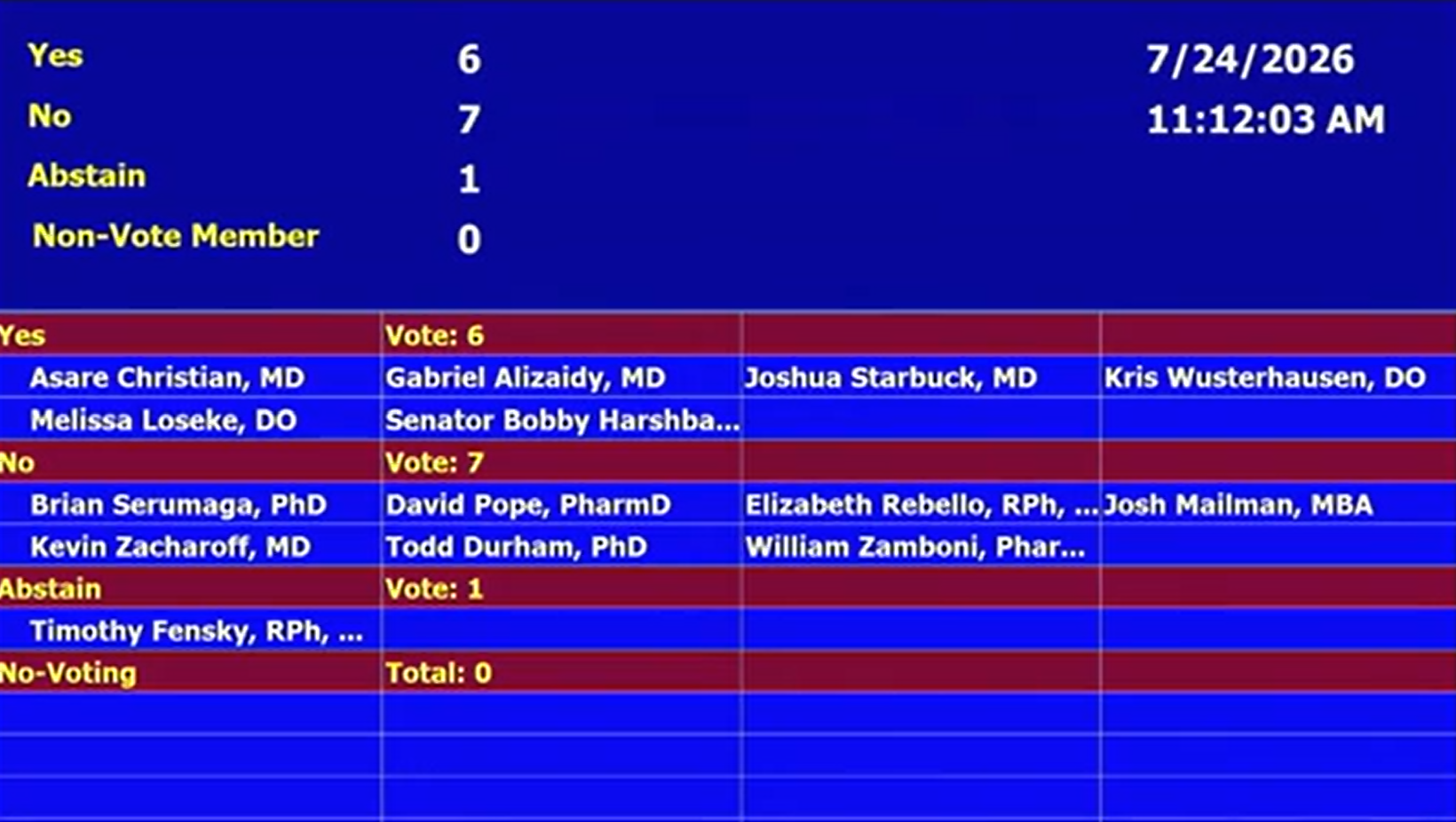
Evaluated use: Opioid withdrawal; chronic insomnia; narcolepsy
PCAC recommendation: Not recommended
Vote: 6 yes / 7 no / 1 abstain
Emideltide (DSIP) was evaluated for the nominated uses of opioid withdrawal, chronic insomnia, and narcolepsy. It was the only peptide reviewed during the meeting that did not receive a favorable recommendation from the committee. PCAC voted against adding Emideltide to the 503A Bulks List.
Regulatory Background
Understanding the significance of the PCAC votes requires looking back at the regulatory status of these substances before the July meeting.
FDA’s current materials identify BPC-157, TB-500, MOTS-c, injectable GHK-Cu, KPV, Semax, Emideltide (DSIP), Epitalon, Melanotan II, PEG-MGF, LL-37, and Dihexa acetate among substances that were previously in Category 2 and whose nominations were subsequently withdrawn by the nominators.
That distinction is important. Removal from Category 2 did not place these substances in Category 1 or add them to the 503A Bulks List. Under FDA’s interim policy, Category 1 identifies certain nominated substances for which FDA generally does not intend to take enforcement action when the conditions of the guidance are met. Category 2 substances do not receive that enforcement approach because FDA has identified potential significant safety risks pending further evaluation.
The withdrawal of the nominations therefore changed their categorical status but did not, by itself, create a new basis for compounding them under section 503A. FDA subsequently elected to evaluate several of the substances on its own initiative, leading to the July 2026 PCAC review.
Safeguards Discussed for Peptide Compounding
Potential safeguards surrounding peptide compounding were also a significant part of the July discussion.
A number of speakers and committee members discussed measures intended to address product quality, patient safety, prescribing practices, and supply-chain oversight. Some of these concepts already overlap with existing federal or state compounding requirements, while others were discussed as potential additional safeguards rather than current requirements.
Topics raised during the meeting included:
Sourcing bulk drug substances from appropriately registered establishments and maintaining valid certificates of analysis, along with appropriate testing to establish identity and other relevant quality attributes
Maintaining patient-specific prescribing and compounding practices consistent with section 503A and applicable state law
Prescribing within an appropriate practitioner-patient relationship as required by applicable law
Applying appropriate sterility, bacterial endotoxin, and other quality testing based on the preparation, route of administration, applicable USP standards, and state requirements
Strengthening pharmacovigilance and mechanisms for identifying and reporting adverse events
Improving product traceability and supply-chain oversight
Establishing controls intended to prevent products marketed for “research use only” from being diverted or represented for human use outside appropriate regulatory channels
Federal law already requires bulk drug substances used in compounding under section 503A to meet specified conditions, including being accompanied by a valid certificate of analysis and being manufactured by an establishment registered with FDA under section 510 of the FD&C Act.
At the same time, FDA highlighted aspects of the existing 503A framework that may affect how additional safeguards could be implemented. During its introductory presentation, FDA noted that compounders operating under section 503A are not required to report adverse events associated with compounded drug products to FDA. FDA also explained that, unless specific limitations are included in a Bulks List entry, a listed bulk drug substance may be compounded for different uses and routes of administration.
These issues help explain why the discussion extended beyond the question of whether a substance should appear on the 503A Bulks List. The committee also considered broader questions regarding how access, quality, patient safety, and oversight intersect within the existing statutory framework.
The Next PCAC Meeting
FDA has announced that it will hold another Pharmacy Compounding Advisory Committee meeting before the end of February 2027, although the specific date, time, and location have not yet been announced.
FDA has identified five additional bulk drug substances for consideration for inclusion on the 503A Bulks List:
Cathelicidin (LL-37)
GHK-Cu
Dihexa acetate
Melanotan II
Mechano Growth Factor, Pegylated (PEG-MGF)
FDA has stated that additional meeting materials and public participation information will be provided as the meeting approaches.
The Implications for Compounding Pharmacies Today
One important takeaway from the July PCAC meeting is that substantial scientific, quality, and regulatory questions remain even if some or all of these peptides are ultimately added to the 503A Bulks List.
Product identity and characterization, API quality, formulation, supply-chain integrity, testing, documentation, patient monitoring, and regulatory compliance were recurring themes throughout the discussion. Those considerations are relevant regardless of the eventual rulemaking outcome.
State pharmacy laws and regulations also remain independently applicable and may impose requirements or restrictions beyond the federal framework. A change to the federal 503A Bulks List would not displace state requirements. Pharmacies should evaluate both federal and applicable state requirements when determining whether and under what circumstances a compounded preparation may be prepared and dispensed.
For organizations evaluating future peptide compounding programs, this is an appropriate time to assess quality systems, documentation, supplier qualification, formulation expertise, testing strategies, and compliance infrastructure. Preparation should be based on the requirements that apply today while allowing organizations to respond appropriately as the regulatory framework evolves.
At Restore Health Consulting, our approach is to track regulatory developments, identify reasonably foreseeable compliance considerations, and help organizations build systems that can adapt as requirements and agency expectations evolve.
Among the technical issues we are increasingly asked to help investigate are formulation development and unexpected potency or stability results involving peptide preparations.
An unexpected potency result should not automatically be attributed to a single cause. Investigation may require evaluation of the active ingredient, formulation design, processing conditions, container-closure system, storage conditions, sampling, and analytical methodology.
To help compounders better understand and investigate potential causes of potency variability, we created The Hidden Culprits in Peptide Compounding white paper. Although developed with peptide formulations in mind, the investigative framework can also be applied to small-molecule compounded preparations.
The white paper is available through our free membership, which also provides access to the Restore Health Consulting Resource Hub featuring white papers, case reports, and practical guides for organizations operating in personalized medicine.
FAQs
Are these peptides FDA-approved?
No. A favorable PCAC vote and a recommendation for inclusion on the 503A Bulks List do not make these substances FDA-approved drugs.
FDA specifically distinguishes the process for evaluating a bulk drug substance for inclusion on the 503A Bulks List from the process for FDA approval or licensure of a drug product. Compounded drug products are not reviewed by FDA for safety, effectiveness, or manufacturing quality before marketing in the same manner as FDA-approved drug products.
Can 503A compounding pharmacies now compound these six peptides because of the PCAC vote?
No. The PCAC vote itself does not authorize compounding or change the current regulatory status of these substances.
PCAC provides advisory recommendations to FDA, and those recommendations are nonbinding.
Under section 503A, a bulk drug substance generally must satisfy one of the applicable statutory pathways, including having an applicable USP or NF monograph, being a component of an FDA-approved drug product when no applicable monograph exists, or appearing on the 503A Bulks List. FDA also maintains an interim enforcement policy for certain Category 1 substances while it completes its evaluation process.
The July PCAC votes did not themselves add these substances to the 503A Bulks List or place them within Category 1.
FDA develops the 503A Bulks List through notice-and-comment rulemaking, and the list is codified at 21 CFR § 216.23. FDA has stated that it continues to address nominated substances on a rolling basis through that rulemaking process.
FDA has not announced a specific timeline for completing rulemaking involving the six substances that received favorable PCAC recommendations.
Unless FDA announces a change in policy, compounders should rely on the regulatory framework and guidance currently in effect rather than anticipated future rulemaking or enforcement discretion.
What Happens After a PCAC Recommendation?
A favorable PCAC vote is an important step in FDA’s evaluation process, but it does not immediately permit pharmacies to begin compounding a substance.
PCAC is an advisory committee. Its members provide independent scientific, technical, and medical advice, but their recommendations are nonbinding and the ultimate regulatory decision rests with FDA.
If FDA decides to move forward with adding a substance to the 503A Bulks List, the agency uses notice-and-comment rulemaking. FDA may publish a proposed rule identifying substances it proposes to include or not include, provide an opportunity for public comment, consider those comments, and subsequently issue a final rule amending 21 CFR § 216.23. FDA states that it is addressing nominated substances on a rolling basis through this process.
Even if a peptide is ultimately added to the 503A Bulks List, that would not make the peptide or a compounded preparation containing it FDA-approved or FDA-endorsed. Other applicable conditions of section 503A would continue to apply.
Federal action is also only one layer of oversight. State boards of pharmacy and other state regulators retain authority under state law and may impose additional or more restrictive requirements. Pharmacies should therefore continue monitoring both federal and state developments as the regulatory process moves forward.
The July PCAC meeting represents an important procedural development for these substances, but it is not the end of the regulatory process.
Preparing for the Future of Peptide Compounding
The regulatory landscape surrounding peptide compounding continues to evolve. Organizations considering work in this area should distinguish carefully between what is permitted today and what may become permissible following future FDA action.
At Restore Health Consulting, we help compounding pharmacies and healthcare organizations evaluate regulatory developments, strengthen quality and compliance programs, and investigate operational and technical challenges involving formulation, testing, quality, and scalability.
Disclaimer: This article is intended to provide general information on U.S. compounding. It should not be construed as legal, regulatory, or medical advice. Readers are encouraged to consult an attorney for guidance specific to their circumstances.